Sleepy Animal Bookshelf Sitter Bundle
A Designer’s First Glance: Whimsy That Lands Gently
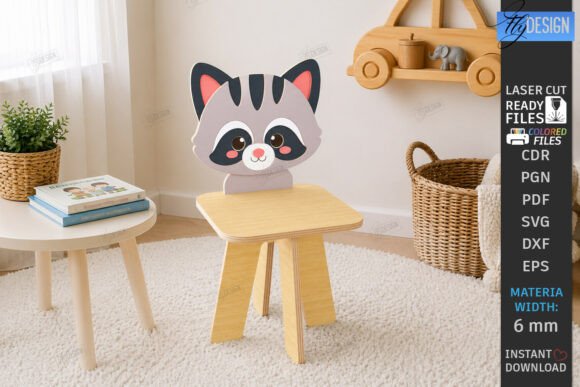
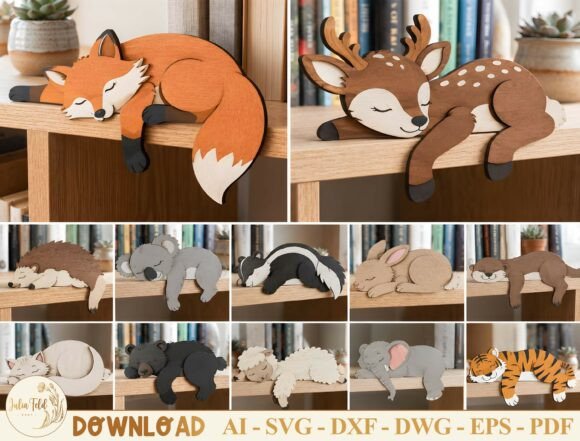
Unzipping the Sleepy Animal Bookshelf Sitter Bundle, I felt that quiet lift designers get when a collection feels intentional—not just cute, but cohesive. Ten animals, each curled in soft repose: fox, owl, hedgehog, sloth, rabbit, bear, raccoon, cat, fawn, and badger. No forced expressions, no cartoonish exaggeration—just gentle curves, closed eyes, and subtle posture cues that read as restful, not lifeless. This isn’t novelty embroidery; it’s quiet storytelling. As a designer who regularly sources embroidery files for boutique clients and small shop products, I immediately saw its natural home: embroidered pillow covers for nurseries, tea towels for cozy kitchens, and custom aprons for indie bakeries or bookish gift shops.
Where It Shines in Real Embroidery Projects
I tested one design—a sleeping fox—on a medium-weight linen-cotton blend tea towel using a standard 4×4 hoop. The stitch density was balanced: enough fill stitch to hold shape without overwhelming the fabric, with delicate satin-stitched outlines defining ears and paws. On a baby onesie (cotton interlock), it held up beautifully with tear-away stabilizer—no puckering, no thread breakage. As a sweatshirt embroidery, it worked best centered on the chest or upper back: the compact silhouette reads clearly even at 3.5 inches wide, and the rounded forms soften the garment’s structure instead of fighting it.
For Etsy sellers, this bundle offers strong visual consistency across listings—ideal for themed collections like “Nursery Calm” or “Storybook Home Decor.” I used it as an embroidered patch on a canvas tote bag (with iron-on backing + topstitching), and customers paused mid-browse. Why? Because it doesn’t shout. It invites. That subtlety builds trust—it signals care in execution, not just speed-to-market.
Where to Pause—and Why
This isn’t a one-size-fits-all machine embroidery design. Its charm lives in quiet detail: tiny paws tucked under chins, faint whisker lines, layered ear folds. Those features demand attention on textured fabrics like terry cloth or bouclé—stitch definition blurs fast there. On stretchy knits (think baby bodysuits or lightweight lounge tees), skip direct hooping; use cutaway + basting stitches first. And avoid dark fabric unless you’re willing to test thread contrast thoroughly—some lighter grays and creams in the animal fur can disappear on navy or charcoal without a white underlay or careful thread selection.
Caps and curved surfaces are tricky. The designs weren’t built for complex digitizing adjustments like contour mapping, so I’d steer clear of front-panel cap embroidery unless you’re comfortable reworking placement and stitch angles manually. Also, don’t force them into tiny hoops (under 3 inches). That sleepy sloth’s curled tail loses its rhythm when compressed—it’s a design that breathes best at 3–4.5 inches wide.
Design Assets That Support Your Brand—Not Distract From It
As a craft business owner, your embroidery file is never just decoration—it’s part of your brand’s voice. The Sleepy Animal Bookshelf Sitter Bundle supports quiet confidence: handmade product, personalized gift, small shop product—all feel authentic here. It doesn’t compete with your logo or tagline; it complements them. On printable mockups for Etsy listings, it renders cleanly in both light and dark backgrounds—no muddy edges or unintended transparency. That clarity translates directly to buyer engagement: shoppers scroll past busy, over-digitized designs, but they linger on something this calm and resolved.
Practical Notes Every Embroidery Designer Should Run Through
- Test first on scrap fabric—especially if pairing with textured weaves or blends.
- Check thread color contrast before stitching on dark or saturated bases.
- Review stitch density: moderate fill means it’s wash-friendly, but confirm with your own laundering test if selling baby embroidery or holiday embroidery items.
- Confirm hoop size—most designs sit comfortably in 4×4, but verify before batching production.
- Inspect small details in your embroidery software: those closed eyes and paw pads should be legible at final size—not lost in underlay or merge errors.
- Test black-and-white mockups to assess silhouette strength and recognition at a glance.
- Use proper stabilizer: medium-weight cutaway for stable fabrics, tear-away for tightly woven cottons.
- Confirm licensing before selling finished products or digital embroidery files—this bundle is marketed for Home Decor and Laser Cutting applications, but commercial embroidery rights must be verified directly with the creator.
Final Thought: A Design That Earns Its Place
The Sleepy Animal Bookshelf Sitter Bundle doesn’t chase trends. It earns shelf space—literally and figuratively—by doing one thing well: inviting stillness. In a market flooded with bold lettering and hyper-detailed applique design, this collection stands out by stepping back. It works because it respects the fabric, the stitch, and the person holding the finished product. Whether you’re embroidering a holiday embroidery gift for a new parent, building a cohesive line of nursery decor, or sourcing design assets for your next craft fair booth, this bundle delivers quiet professionalism—not noise. And in handmade work, that kind of restraint is rare. And valuable.