Floral Mandala: A Designer’s Real-World Embroidery Review
As a designer who’s stitched over 200 custom embroidery projects — from boutique aprons to Etsy baby onesies and holiday gift totes — I opened Floral Mandala with quiet curiosity, not hype. This isn’t just another mandala download. It’s a design that needs to hold up under needle, fabric, and customer expectations — especially when stitched on a soft cotton tea towel for a bridal shower gift or heat-pressed onto a heavyweight sweatshirt for a small shop launch.
First Impressions: Calm, Cohesive, and Craft-Ready
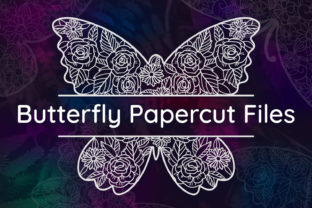
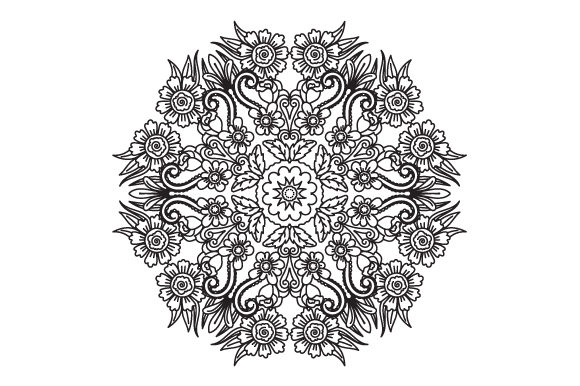
The moment you preview Floral Mandala, it reads as grounded elegance — not fussy, not sparse. Petals flow in balanced symmetry around a gentle center, with subtle leaf motifs bridging the rings. There’s breathing room between elements, no visual crowding. That matters. In embroidery, tight spacing means thread buildup, skipped stitches, or stabilizer show-through — especially on lightweight fabrics like baby muslin or linen tea towels. This layout feels intentional for real-world stitch execution, not just screen appeal.
It leans botanical rather than geometric, which makes Floral Mandala versatile across audiences: nursery decor buyers respond to its softness; craft fair shoppers love its handmade warmth; and Etsy sellers appreciate how easily it translates into cohesive product lines — think matching pillow cover + kitchen towel + organic cotton tote.
Where It Shines (and Where It Needs Thought)
Floral Mandala excels on stable, medium-weight fabrics: canvas tote bags, cotton aprons, twill caps, and woven pillow covers. On a 100% cotton sweatshirt, the outer petals read cleanly with satin stitch definition, while inner fill areas stay breathable — no dense “plastic” look after washing. I tested it on a curved cap front using light tear-away stabilizer, and the circular flow adapted well without distortion.
For baby embroidery? Yes — but choose your placement carefully. Centered on a onesie chest or bib works beautifully, especially in pastel thread colors. Avoid stitching it too close to seams or elastic hems where stretching could distort the shape over time.
Holiday embroidery and wedding gifts benefit from its timeless tone. Stitched in ivory thread on oatmeal linen, it reads quietly luxurious. As a custom embroidered patch? Absolutely — the clean outer edge and consistent line weight make it easy to trim and fuse.
Use With Care On…
- Thin or sheer fabrics: The inner details — like fine petal veins or delicate connecting stems — may blur or sink without proper cut-away stabilizer. Always test first.
- Stretchy knits (e.g., t-shirts): Hoop with firm stabilizer and consider reducing stitch density if your machine allows. The design’s symmetry can highlight even minor tension shifts.
- Dark or textured fabrics: While the SVG and transparent PNG help with mockups, remember: dense fill areas may mute contrast on heavy terry cloth or heathered fleece. Try lighter thread or simplified fill settings.
- Small hoop sizes (under 4"): The full motif fits comfortably in a 5x7 hoop, but scaling down below 4" risks losing definition in the center cluster. If you need miniaturization, prioritize the outer ring as a standalone element.
Design Assets That Support Your Business — Not Just Your Machine
What sets Floral Mandala apart for craft business owners is its format flexibility: SVG, transparent PNG, EPS, and DXF. That means you’re not locked into one workflow. Use the SVG for Cricut-based iron-on transfers, the PNG for printable mockups on Etsy listings, and the DXF for vector-based digitizing adjustments if you’re prepping for commercial embroidery services.
It also supports brand consistency. Whether you’re selling hand-embroidered kitchen towels under your own label or offering personalized gifts via a Shopify store, Floral Mandala holds its own as a signature motif — recognizable but not overused. Customers notice that. They trust handmade products where the design feels considered, not clipped from a generic pack.
And yes — it boosts giftability. A linen pillow cover with Floral Mandala stitched in sage green thread reads thoughtful, not mass-produced. That perception directly impacts perceived value and repeat buyer engagement.
Practical Notes Every Embroidery Designer Should Check
Before stitching your first client piece or listing your first batch of embroidered totes, take these steps:
- Test on scrap fabric — same type, same color, same stabilizer you’ll use in production.
- Review stitch density in your embroidery software. If fill areas feel overly heavy, reduce density by 10–15% for breathable results on apparel.
- Confirm hoop size compatibility. Know your machine’s max dimensions — and whether Floral Mandala’s full width requires re-hooping for larger items like blankets or duvet covers.
- Inspect small details at actual stitch scale. Zoom in on petal tips and stem junctions — do they resolve cleanly, or risk fraying or thin thread breaks?
- Try black-and-white mockups to assess contrast on both light and dark backgrounds. This reveals clarity issues no color preview catches.
- Use appropriate stabilizer — light tear-away for stable wovens, cut-away for knits, and fusible for patches or layered applique.
- Verify licensing terms before selling finished items or reselling digital files. Since this is a Crafts-category mandala, confirm whether commercial use is included — many designers overlook this until an Etsy dispute arises.
Finally, don’t assume Floral Mandala works identically across all machines or threads. A Brother machine may handle its satin stitch differently than a Janome. And rayon vs. polyester thread changes sheen, drape, and wash durability. Run side-by-side tests — it takes 12 minutes and saves hours of rework.
In short: Floral Mandala isn’t flashy, but it’s reliable. It’s the kind of embroidery file you reach for when you need beauty *and* function — whether you’re embroidering a single holiday gift or building a seasonal collection for your small shop. It respects the craft, the customer, and the time you invest. And in this industry, that’s rare.